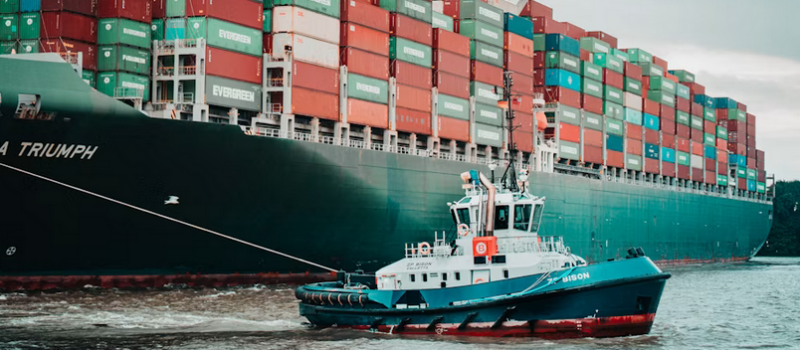
When people think about the future of logistics, they often picture advanced software, automated warehouses, artificial intelligence, and self-driving vehicles. While these innovations are certainly transforming the industry, technology alone is not enough to create a logistics operation that can withstand future challenges. The most successful logistics organizations understand that resilience comes from a combination of people, processes, strategy, and innovation. As global supply chains face increasing pressure from economic uncertainty, environmental concerns, and changing customer expectations, future-proof logistics requires a broader perspective than simply adopting the latest technology.
Strong Leadership Creates Long-Term Stability
Technology can improve efficiency, but effective leadership remains the foundation of a successful logistics operation. Experienced leaders are responsible for making strategic decisions, managing risks, and guiding organizations through periods of uncertainty. Many businesses continue to seek advice from a seasoned logistics executive when developing long-term supply chain strategies, as practical experience often provides insights that technology alone cannot. Strong leadership helps organizations stay focused on both immediate operational goals and future opportunities.
Adaptability Is a Competitive Advantage
The logistics landscape is constantly evolving. Market conditions shift, consumer demands change, and unexpected disruptions can occur with little warning. Organizations that succeed over the long term are those that can adapt quickly. Future-proof logistics depends on creating flexible systems and processes that can respond to changing circumstances without major disruptions. Adaptability allows businesses to maintain service levels, control costs, and remain competitive even during challenging periods.
People Remain the Industry’s Greatest Asset
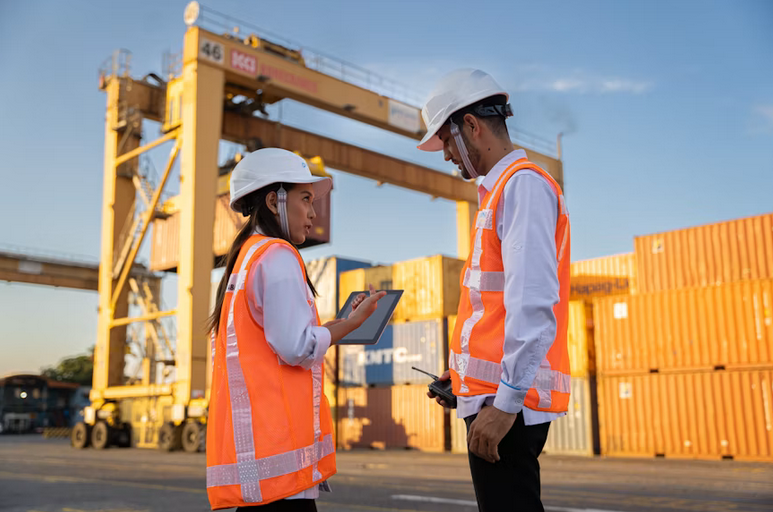
Despite advances in automation and artificial intelligence, people continue to play a vital role in logistics. Skilled professionals are needed to manage operations, solve complex problems, and make decisions that machines cannot fully replicate. Investing in workforce development helps organizations build stronger teams that can support long-term growth. Training programs, leadership development initiatives, and employee engagement efforts all contribute to creating a more resilient logistics operation.
Building Strong Supplier Relationships Matters
Future-proof logistics is not just about what happens within a company’s own operations. It also depends on the strength of relationships throughout the supply chain. Reliable suppliers, transportation partners, and service providers help create stability during times of disruption. Businesses that invest in long-term partnerships often gain greater visibility, improved communication, and stronger collaboration when challenges arise. These relationships can become a critical advantage when supply chain conditions become unpredictable.
Sustainability Is Becoming Essential
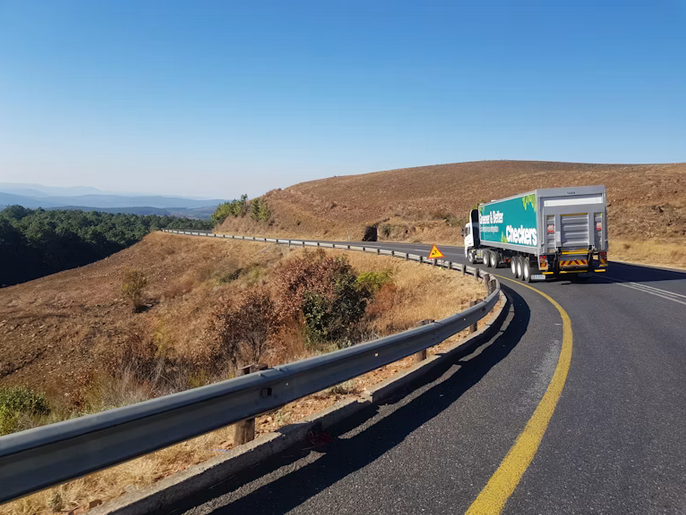
Environmental responsibility is increasingly shaping logistics decisions worldwide. Customers, investors, and regulators are placing greater emphasis on sustainable business practices. Companies that integrate sustainability into their logistics strategies are often better positioned for future success. Efforts such as reducing emissions, optimizing transportation routes, minimizing waste, and improving energy efficiency can create both environmental and financial benefits. Sustainability is no longer viewed as a separate initiative but as an important component of long-term resilience.
Data Supports Better Decision-Making
Technology remains an important part of future-proof logistics, particularly in data analysis and visibility. Access to accurate information allows organizations to identify trends, anticipate challenges, and make informed decisions. However, data is most valuable when combined with human expertise and sound business judgment. Organizations that effectively balance technology with experience are often better equipped to respond to changing market conditions and emerging risks.
Future-proof logistics involves far more than implementing new technologies. While innovation plays an important role, long-term success also depends on strong leadership, adaptable operations, skilled employees, trusted partnerships, sustainability initiatives, and informed decision-making. Organizations that focus on these broader elements are better prepared to navigate uncertainty and capitalize on new opportunities. As the logistics industry continues to evolve, the companies that thrive will be those that recognize technology as one piece of a much larger strategy for resilience and growth.