
The way households receive and use energy is evolving. Clean energy is no longer a distant concept. It is rapidly becoming part of daily life. Solar panels, wind farms, and advanced battery systems are reshaping how people think about power. Cleveland Illuminating Company highlights this transition as technology improves, and more families are discovering that renewable options are not just environmentally friendly but also practical and cost-effective.
What Clean Energy Means for Families
Clean energy refers to power sources that produce little or no emissions. Solar, wind, and hydropower are leading examples. For households, this shift translates into reduced dependence on fossil fuels and greater access to renewable choices. Families benefit through lower carbon footprints and often enjoy improved air quality. The movement toward clean energy is about more than protecting the planet. It is also about improving everyday life.
Financial Benefits at Home
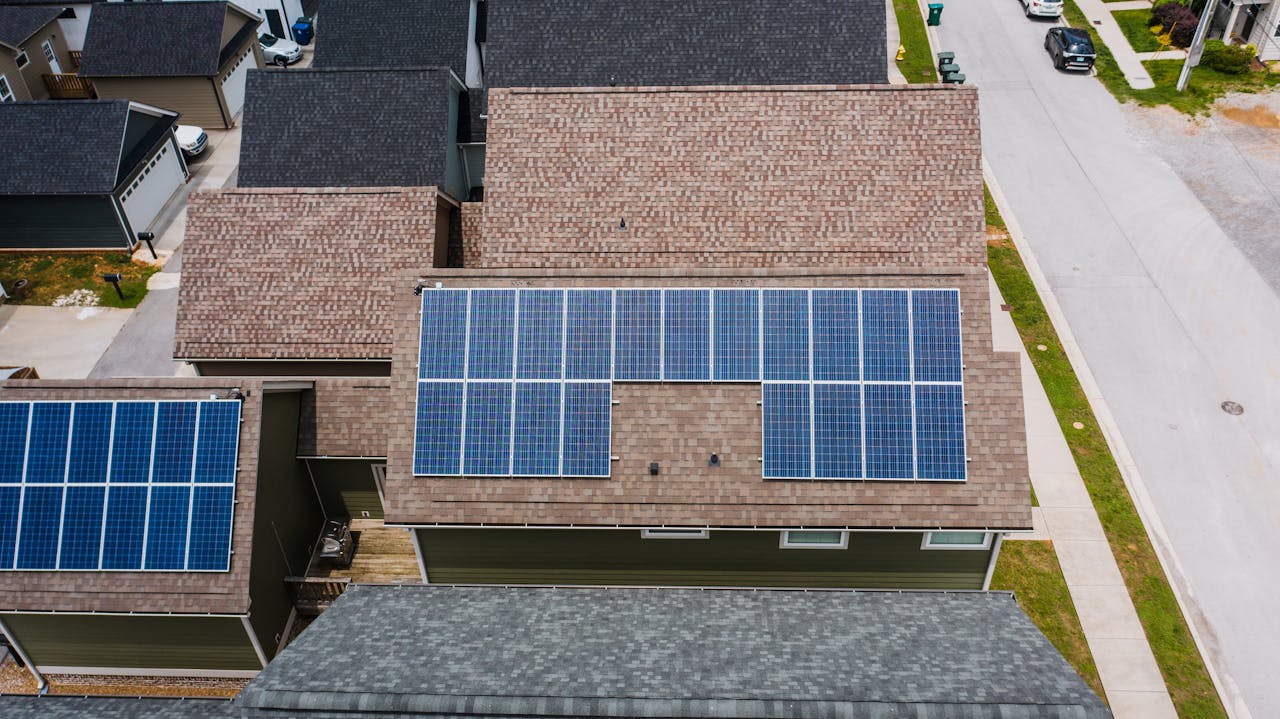
One of the biggest questions homeowners ask is whether clean energy will save money. The answer depends on many factors, but the potential is strong. Installing solar panels can reduce monthly bills significantly. Some households even generate extra power that can be sold back to the grid. Energy-efficient appliances paired with renewable sources further maximize savings. While the upfront costs may seem high, incentives and falling technology prices make clean energy increasingly accessible.
Technology is driving the clean energy transition. Smart meters allow families to track usage in real time. Battery storage systems help keep homes powered even when the sun isn’t shining or the wind isn’t blowing. Electric vehicles are another piece of the puzzle, often serving as both transportation and portable energy storage. This connection between technology and clean power gives households more control than ever before.
Environmental Impact Close to Home
For many families, choosing clean energy is a way to contribute to a healthier environment. Fewer emissions mean cleaner air and water. Local ecosystems benefit when reliance on non-renewable fuels decreases. Households may not see these results immediately, but over time, the impact is profound. Clean energy ensures that communities remain livable for future generations. This link between home energy choices and global health highlights why the transition matters.
Challenges That Remain

Despite its benefits, clean energy adoption faces challenges. Not every home can install solar panels, and wind power requires space and infrastructure. Costs, while decreasing, can still feel overwhelming for some families. There are also questions about reliability during extreme weather. Yet, progress continues as governments, companies, and innovators address these barriers. The focus is on creating solutions that ensure households of all sizes can participate.
A Unique Shift in Daily Living
The future of clean energy is more than a technological advancement. It represents a unique cultural shift in how households live and function. Energy is no longer something to take for granted. Instead, families are becoming active participants in how it is sourced and used. By approaching the transition with care, households ensure they gain the utmost benefit from clean energy while contributing to a brighter, healthier world.
Households that want to embrace clean energy can start with small steps. Replacing outdated appliances with energy-efficient models makes a difference. Exploring local renewable energy programs is another way to begin. Families can also stay informed about incentives that support solar installations or electric vehicle purchases. Preparing for a clean energy future means being open to change and willing to adapt routines.